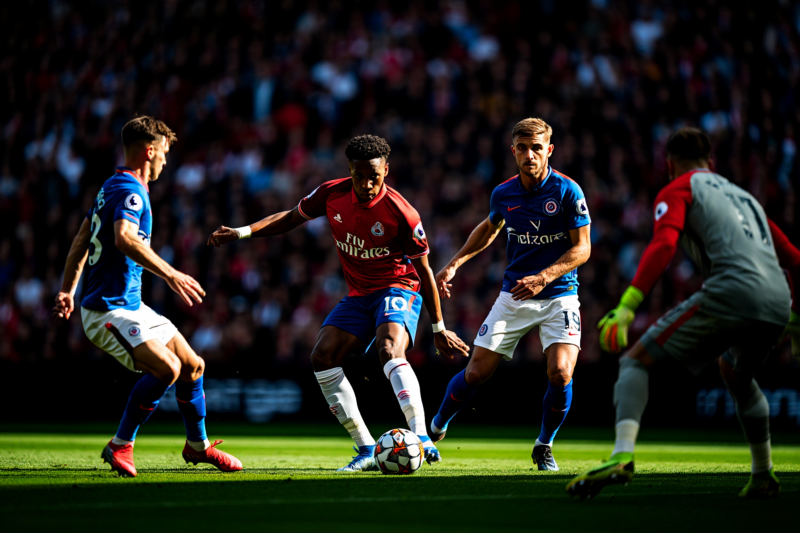
In the dynamic world of football analytics, understanding the factors that influence match outcomes is crucial for anyone looking to deepen their insights. ImpactXI, a modern football platform, specializes in uncovering the stories behind the game—delving into lineups, tactical setups, and player performances. A key element often overlooked in match analysis is selection bias—a subtle yet powerful force that shapes how teams perform at home and away fixtures across seasons.
This article explores how selection bias affects home and away match results, revealing the implications for analysts, coaches, and passionate fans alike. By understanding these biases, you’ll unlock more accurate predictions, strategic insights, and a competitive edge in interpreting football data.
What is Selection Bias in Football?
Defining Selection Bias
Selection bias occurs when certain factors influence the choice of players, tactics, or team formations, leading to skewed or non-representative data. In football, this can manifest through:
- Player availability: Injuries or suspensions skewing lineups.
- Tactical preferences: Coaches adapting strategies based on venue or opposition.
- Team confidence: Psychological factors affecting performance at home or away.
- Match importance: Contentment with certain outcomes influencing lineups.
Why Does It Matter?
Ignoring selection bias can lead to misleading conclusions about team strength, tactical effectiveness, or player impact. Recognizing and accounting for these biases enhances the accuracy of match predictions and strategic planning.
How Selection Bias Influences Home and Away Match Outcomes
The Biases at Play
Teams often behave differently depending on whether they play at home or away, influenced by selection biases such as:
| Bias Type | Impact on Match Outcomes | Examples |
| Home Advantage Bias | Greater confidence, tactical adjustments, motivated fans. | More attacking lineups at home, aggressive pressing. |
| Travel Fatigue Bias | Reduced player performance away. | Substitutions or altered formations to cope with fatigue. |
| Fixture Congestion Bias | Selection of rotation players during congested fixtures. | Resting key starters in away matches. |
| Psychological Bias | Increased pressure away leading to conservative tactics. | Defensive formations, cautious in away games. |
Understanding these biases reveals that team performance is not solely about raw skill but also about contextual factors influencing lineups and tactics.
Effects on Season Outcomes
Selection bias can significantly skew perceived team strength. For instance:
- A team with a strong home record but weak away results may have been relying heavily on advantageous home bias.
- Conversely, consistent away wins might be attributed not just to skill but also to strategic choices influenced by biases.
Strategies to Mitigate Selection Bias in Performance Analysis
Incorporate Contextual Data
- Match scenarios: Consider fixture congestion, injuries, and travel schedules.
- Lineup variability: Track how lineups change between home and away matches.
- Psychological factors: Recognize team morale and confidence levels.
Use Advanced Metrics
- Expected goals (xG) and expected assists (xA): Adjust for chance quality across different contexts.
- Player tracking data: Assess individual contributions unaffected by bias.
Model Adjustments
- Employ statistical models that control for selection bias by incorporating variables like match location, fixture density, and squad rotations.
Understanding how selection bias influences home and away match results empowers analysts and enthusiasts to interpret football data more accurately. By acknowledging these biases, you can develop more nuanced predictions and strategic insights, ultimately gaining a deeper appreciation of the beautiful game.
ImpactXI strives to bring clarity to these complex influences, providing you with comprehensive match analyses that account for the subtle, yet impactful, role of selection bias.
Frequently Asked Questions
How can I spot selection bias in football data?
Look for patterns where team performance varies significantly depending on the match setting (home versus away), especially if lineup changes or tactical approaches consistently differ.
Why do some teams perform better at home despite similar lineups?
Psychological factors, crowd support, and tactical comfort contribute to home advantage biases, often amplified or mitigated by strategic lineup decisions.
Can understanding selection bias improve betting strategies?
Absolutely. Recognizing biases allows for more refined predictions, accounting for contextual factors that influence outcomes beyond simple team strength metrics.
By appreciating the subtle yet powerful influence of selection bias, you’re better equipped to analyze, predict, and enjoy football with an expert’s perspective.